High Limestone: Traversing the Dolomites on Foot
An ode to alpine huts, cold dawn winds, and walking through the cathedral walls of northern Italy.
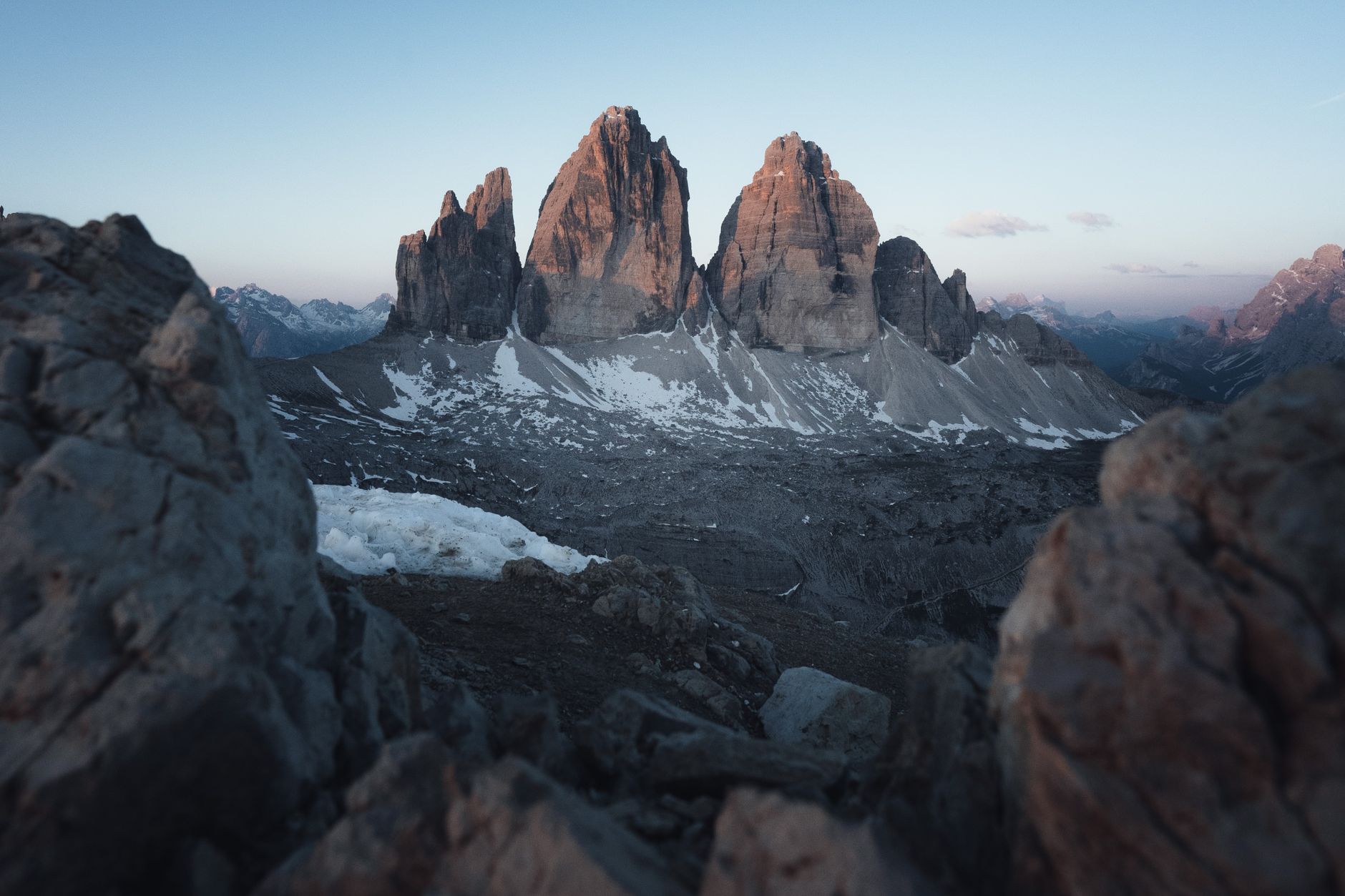
Table of Contents
1. The Path of Alta Via 1
The dawn over Lago di Braies was glass-still when we laced our boots. Leaving the teal mirror of the lake behind, the route ascends aggressively toward the high scree slopes of the Croda del Becco. Here, the green larch forests surrender to raw, pale magnesium limestone that gleams like bone against the morning sky.
Walking in the Dolomites is an exercise in scale. Vertical spires rise thousands of meters straight out of alpine meadows, casting long shadows that swallow the warmth of the sun in seconds.
"To walk slowly through the pale mountains is to understand that stone is not dead matter, but a frozen wave of geologic time."
2. Architectural Sanctuaries: Alpine Rifugios
Reaching Rifugio Lagazuoi after a steep climb through wartime tunnel complexes brings you to one of the most remarkable viewpoints on the continent. The refuge stands at 2,752 meters on the edge of an abyss. Dinner is communal: warm polenta with wild mountain mushrooms, coarse local cheese, and a carafe of red Lagrein.
These shelters, built from rough-hewn timber and granite, provide vital warmth when high-altitude storms sweep over the passes. They retain a spirit of mountaineering camaraderie seldom found in resort valleys below.
3. Field Gear and Preparation
For those undertaking the traverse in autumn, layers of fine merino wool, sturdy Gore-Tex outer shells, and calibrated walking poles are indispensable. Weather transforms violently: clear midday skies can become zero-visibility sleet within twenty minutes.