The Rhythm of Kyoto’s Hidden Pavilions
Beyond the tour buses, discovering the acoustic architecture of northern Zen dry gardens.
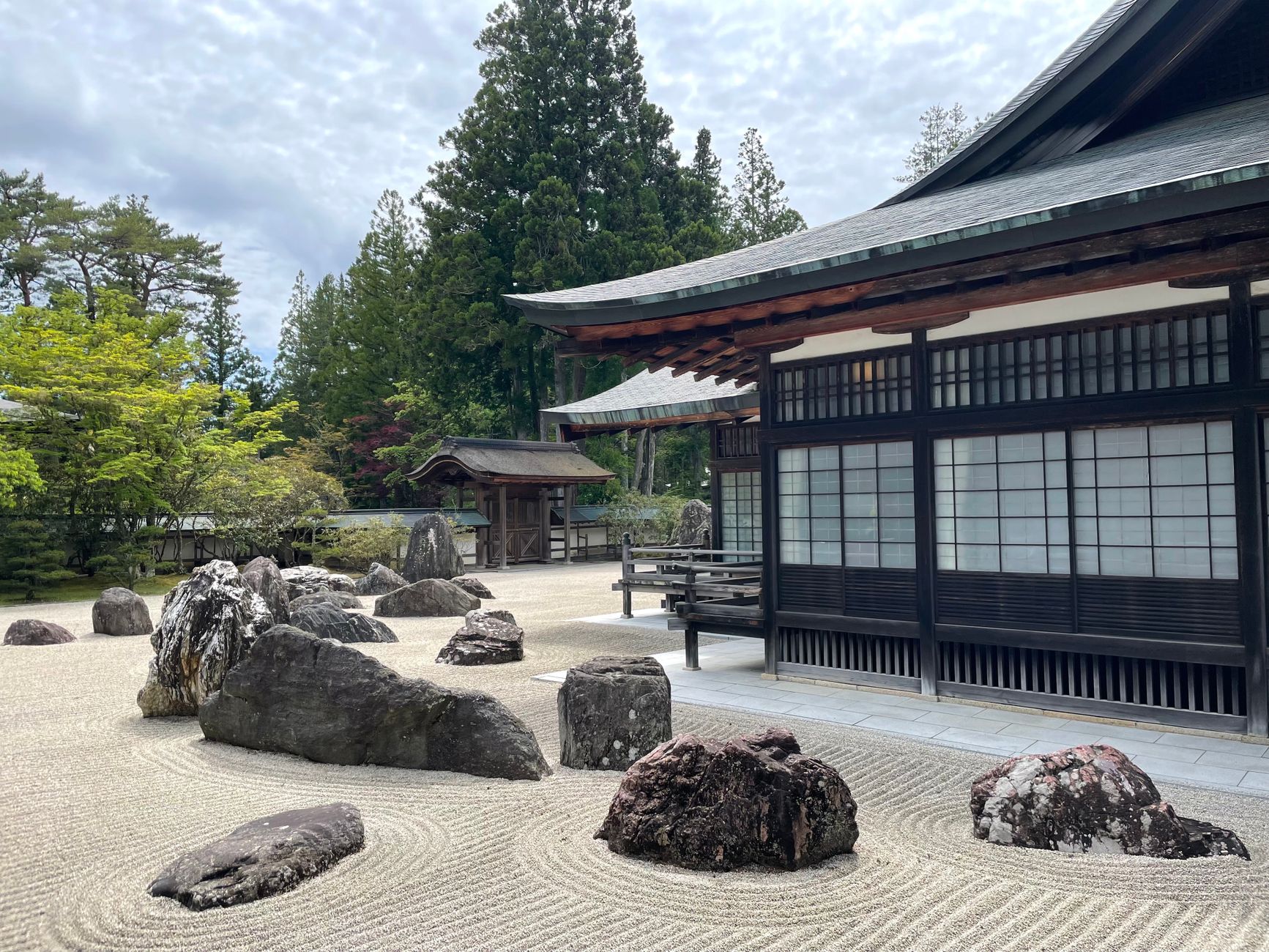
1. The Praise of Shadow
Junichiro Tanizaki wrote of the quiet beauty found in dark rooms where gold leaf catches only the faintest shimmer of paper shoji doors. In the lesser-visited temples of northern Kyoto, such as Daitokuji's sub-temples, this aesthetic principle is palpably alive.
Unlike western architecture designed to flood interiors with direct glare, traditional Japanese timber construction welcomes shadow as a gentle medium of privacy and contemplation.
2. The Moss Sanctuaries of Kitayama
Walking through the weeping bamboo groves of Sagano toward the hills of Kitayama reveals courtyards cushioned by over forty species of indigenous emerald moss. The acoustic quietude is remarkable: gravel crunching beneath straw sandals, the rhythmic clack of a bamboo shishi-odoshi, and rain dripping from cedar shingles.
3. Contemplative Rituals
To experience Kyoto properly requires letting go of the urge to photograph every corner. Sit on the cedar veranda, observe the raked white gravel ripples representing ocean waves, and listen to the forest wind.